Peru has established itself as the world's largest exporter of fresh blueberries, surpassing Chile for several seasons now. For importers, distributors, and fruit retailers, understanding how this supply chain works, from the field to the destination port, is key to ensuring quality, regulatory compliance, and profitability. This guide summarizes the import process, the state of the sector, and the most relevant regulatory aspects.
Why Peru dominates the global blueberry market
Several factors explain Peru's leadership:
- Favorable harvest window. The Peruvian season runs from August to January, with peak volume between September and November, filling a supply gap in the Northern Hemisphere and competing directly with Chilean production in its final stretch.
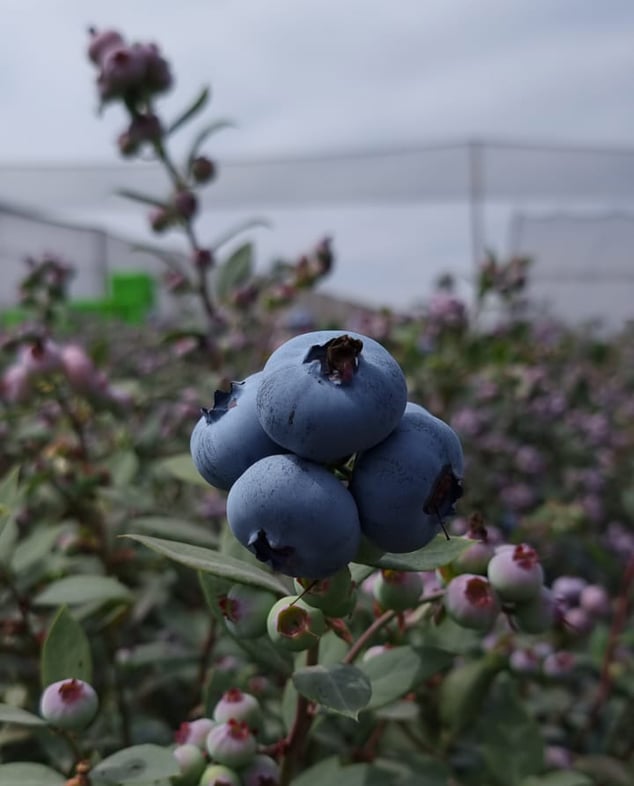
- Agroclimatic conditions. The coastal regions of the north (La Libertad, Lambayeque, Piura) and the center-south (Ica) offer constant sunlight, technified irrigation, and soils that support high-yield varieties such as Biloxi, Ventura, and more recent proprietary varieties (for example, developments from private breeding programs seeking better flavor and shelf life).
- Investment in post-harvest infrastructure. Packing houses with cold chain, controlled atmosphere, and digital traceability have allowed the fruit to arrive in good condition in distant markets such as Europe and Asia.
- Sustained expansion of cultivated area. Cultivated area has continued to grow, although at a more moderate pace than in previous years, with a focus on varietal renewal and water efficiency rather than pure expansion.
Phytosanitary and regulatory requirements
Before signing any contract, the importer must verify the requirements of the destination country:
- Phytosanitary certificate issued by SENASA (Peru's National Agrarian Health Service), mandatory for all fresh fruit exports.
- Exporter and farm registration with SENASA, with traceability back to the field of origin.
- Specific requirements by importing country:
- United States: compliance with APHIS-USDA; cold treatment is generally not mandatory for Peruvian blueberries, but monitoring of quarantine pests is required.
- European Union: compliance with EU phytosanitary regulations and maximum residue limits (MRLs) for pesticides, which tend to be stricter than Peruvian or US standards.
- Taiwan and other Asian markets: Taiwan requires in-transit cold treatment as a quarantine measure for fresh blueberries, following a schedule that links sustained temperature to the minimum number of treatment days:
- 1.11°C (34.0°F) or below: 15 days of treatment.
- 1.67°C (35.0°F) or below: 17 days of treatment.
The lower the temperature, the fewer days of treatment required, and vice versa. China and other Asian markets may have similar bilateral protocols, though with their own parameters, so it's advisable to confirm the current schedule with the phytosanitary authority of the destination country before scheduling the shipment.
- Pesticide residue analysis performed by accredited laboratories, increasingly required by international retail chains regardless of the legal minimum.
Before closing any deal, it's advisable to confirm current requirements directly with the phytosanitary authority of the destination country, as these protocols are updated fairly frequently.

Tariff considerations
- United States: thanks to the Peru-US Trade Promotion Agreement, Peruvian blueberries generally enter under preferential tariff treatment (in practice, duty-free for most fresh fruit tariff lines).
- European Union: the Peru-EU Trade Agreement also grants preferential treatment, eliminating or significantly reducing tariffs on fresh berries.
- Other markets: countries without a trade agreement in force with Peru may apply standard fruit import tariffs, so it's worth checking the specific tariff line (fresh blueberries are usually classified under Harmonized System subheading 0810.40) in the buying country's national tariff schedule.
Trade agreements can be adjusted or renegotiated, so it's recommended to verify the current rate with a customs broker or the relevant customs authority before finalizing prices.
Logistics: how the fruit reaches its destination
Most Peruvian blueberry exports move by sea, with a smaller share by air for premium or emergency markets:
- Ocean transport in refrigerated (reefer) containers, often using controlled or modified atmosphere technology, which extends the fruit's shelf life during transit times of 15 to 30 days depending on the destination (US East Coast, Europe, or Asia).
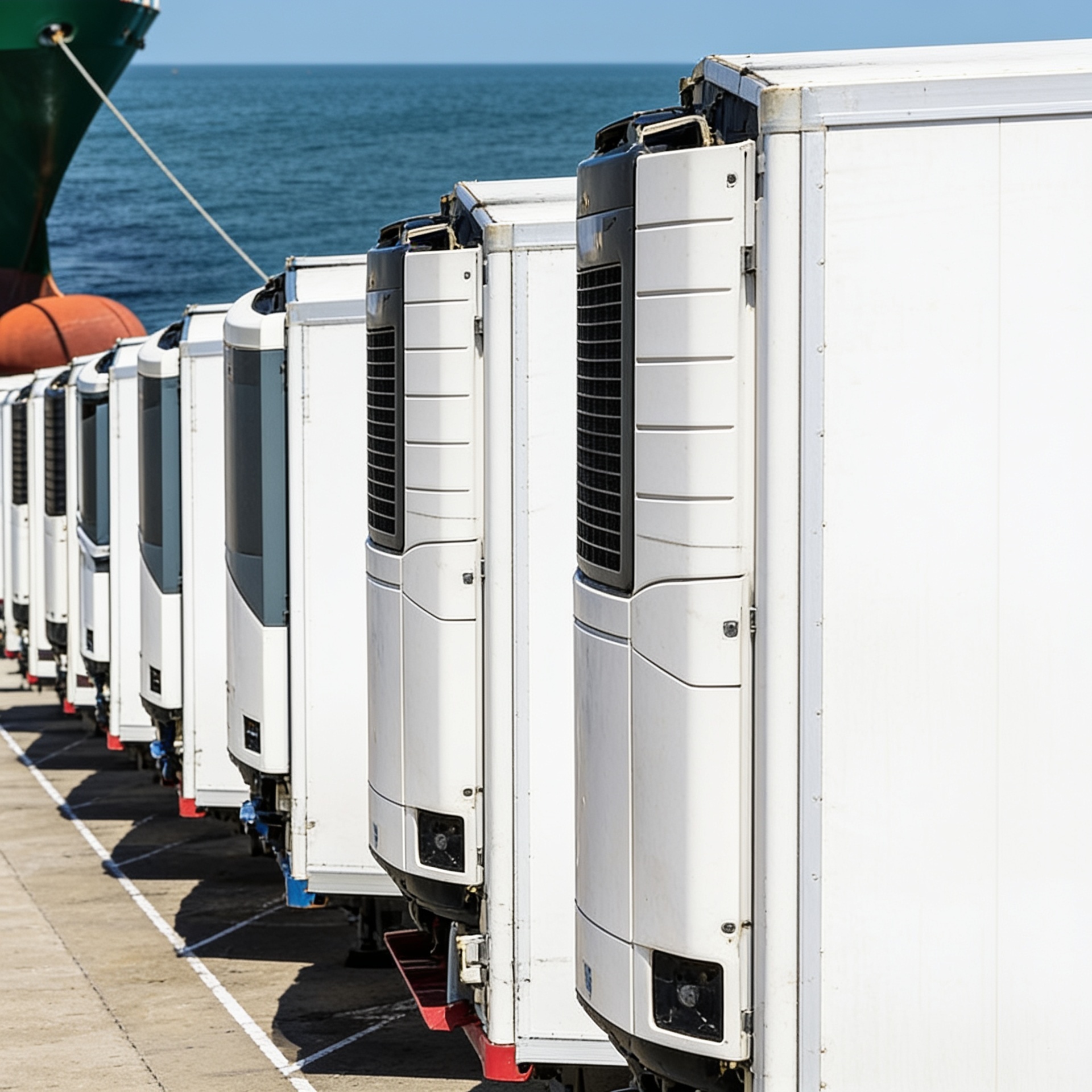
- Main departure ports: Callao and, to a lesser extent, northern ports depending on the location of the packing houses.
- Real-time temperature and humidity monitoring via IoT sensors, increasingly standard in the industry to reduce losses and quality-related commercial disputes upon arrival.
- Air transport, reserved for smaller volumes, early-season shipments, or urgent orders, at a considerably higher logistics cost.
Typical import documentation
Although exact requirements vary by country, in general the following is needed:
-
- Commercial invoice
- Packing list
- SENASA phytosanitary certificate
- Certificate of origin (to access tariff preferences)
- Bill of Lading or Air Waybill
- Additional certificates depending on the market: residue analysis, quality certifications (GlobalG.A.P., BRC, etc.) frequently required by retail chains.
Practical recommendations for importers
- Work with certified exporters with a track record of compliance, verifying references and prior quality audits.
- Clearly define Incoterms (FOB, CIF, DDP, etc.) to avoid ambiguity about who bears risks and costs at each stage.
- Hire a customs broker or agent specialized in fresh fruit, familiar with perishable clearance timelines.
- Negotiate supply contracts with quality and volume clauses that account for the seasonality of Peruvian supply.
- Monitor weather and harvest reports in Peru during the season, since phenomena such as El Niño can affect volumes and harvest schedules from one year to the next.
- Evaluate diversifying suppliers and regions within Peru (north vs. center-south) to reduce concentration risk.
Importing blueberries from Peru remains an attractive operation given the volume, quality, and favorable market windows the country offers, but it requires constant attention to phytosanitary, tariff, and logistical requirements, which can vary by destination market and change from year to year. Before closing a deal, it's always advisable to confirm current requirements with the competent authority in the importing country and with a customs agent specialized in perishable goods.
Why import your blueberries with Loads?
All of the above, supplier selection, phytosanitary compliance, logistics, and financing, can become a complex process if you manage it on your own. At Loads we work with the best blueberries from Peru and handle the entire international trade process door-to-door: from selecting the grower and export logistics to financing the operation. That way, you can focus on your business while we make sure the fruit arrives in the best condition and on the agreed schedule.
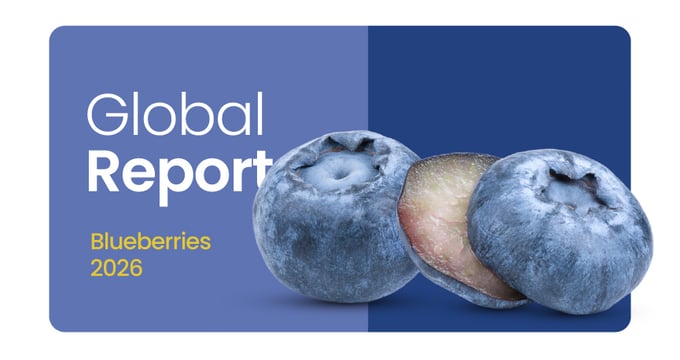
Want to dive deeper into the Peruvian blueberry market? Download our free ebook covering the main topics shaping the industry in 2026.
Note: this article is based on general information about the sector and regulations in force as of early 2026. Since trade agreements, tariffs, and phytosanitary protocols can be updated, it is recommended to verify the most current data with SENASA, the customs authority of the importing country, or a specialized agent before making business.


