The international table grape market is evolving. Growth in Peruvian exports, competition between sourcing origins, and weather conditions are reshaping fruit availability and buying opportunities.
For importers, understanding these factors is key to comparing suppliers, anticipating market changes, and planning sourcing strategies.
Higher Supply, New Buying Opportunities
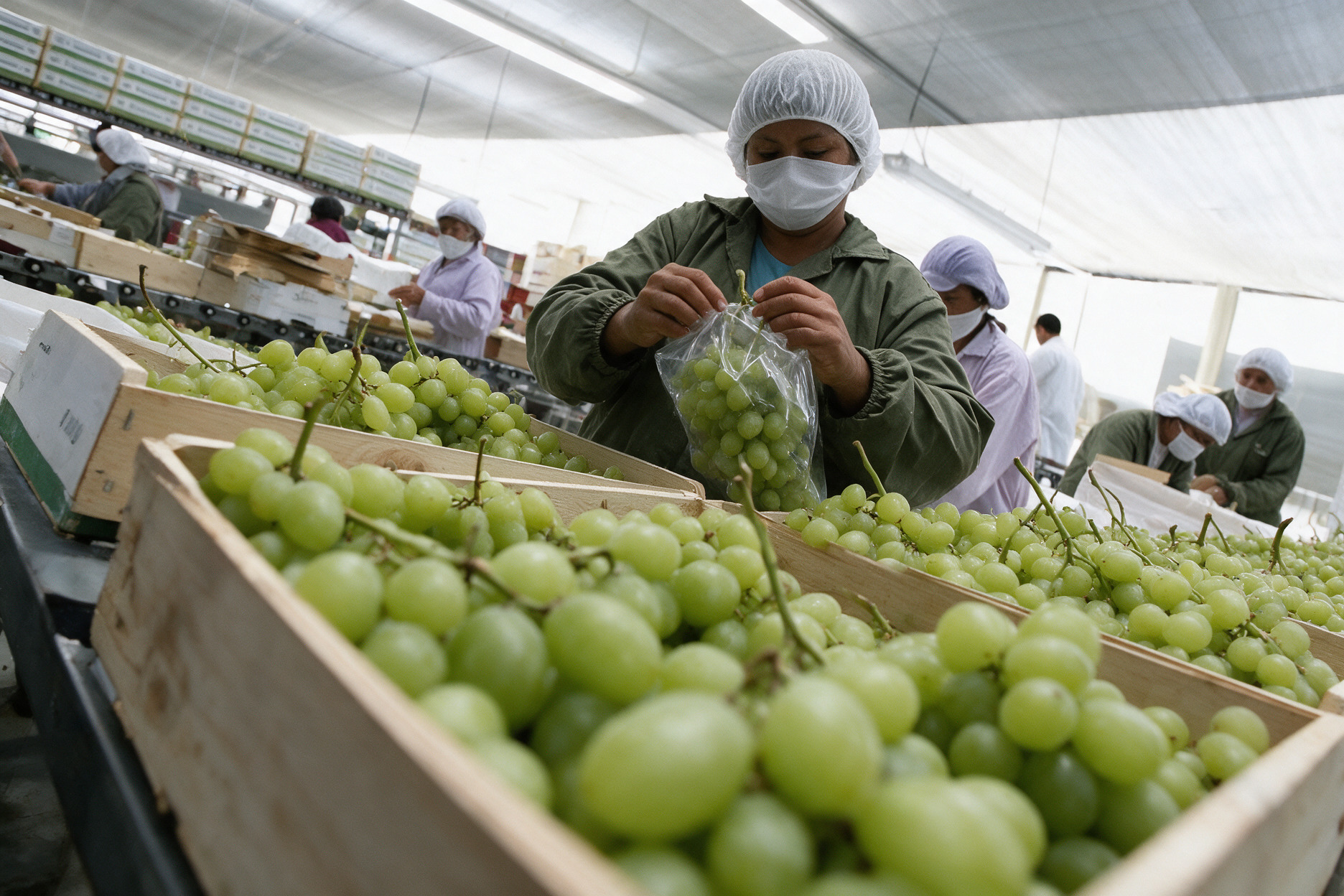
In 2025, Peruvian table grape exports reached US$2.025 billion and 756,545 metric tons, according to data from Fresh Fruit published by Agroperú. This represented a 27% increase in volume and a 13% increase in value compared to 2024.
However, the average export price fell from US$3.00/kg to US$2.67/kg. This difference shows how higher volumes can drive overall export value without necessarily translating into a higher price per kilogram.
For importers, this trend reinforces the importance of monitoring supply and comparing sourcing alternatives based on origin and market timing.
Source: Agroperú, January 2026. Prices refer to annual export averages, not variety-specific quotations.
Climate Also Affects Availability
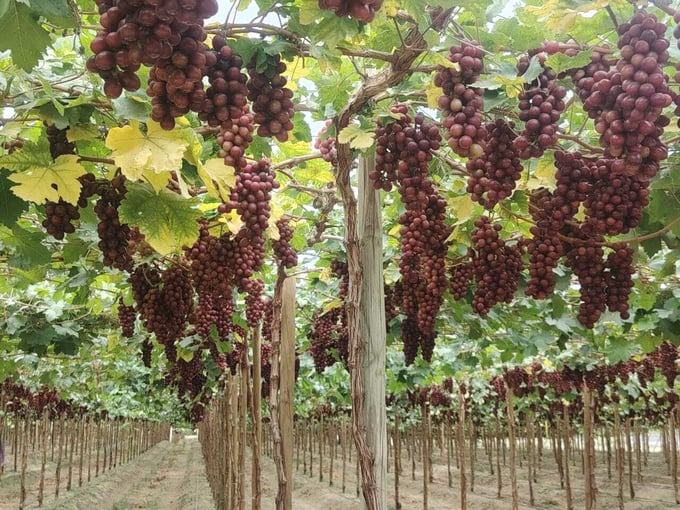
Growing conditions can affect harvest schedules and the volume of fruit available. For the 2026/27 season, Peru's Table Grape Producers Association (PROVID) revised its forecast to 78.7 million 8.2 kg boxes, 9% lower than the previous season.
Weather conditions, amid the ongoing influence of the El Niño phenomenon, add uncertainty to production and availability outlooks. The forecast also highlights significant regional differences: the northern region expects a 28% decline, while the southern region projects 6% growth.
For importers, keeping track of harvest updates and confirming shipping schedules will be essential to anticipating potential changes in supply.
Source: Portalfrutícola, October 8, 2026. This forecast refers to the 2026/27 season and is not directly comparable to exports for calendar year 2025.
What Determines the Price Importers Pay?
Table grape prices depend on more than just origin. Variety, size, quality, arrival timing, and logistics costs also influence the competitiveness of each offer.
That is why comparing suppliers requires evaluating the total landed cost, including refrigerated freight, import expenses, transit times, and potential risks of quality deterioration.
An offer with a lower initial price does not always result in the most profitable transaction. The key is to compare equivalent products and consider both arrival condition and commercial terms.
How to Prepare for the 2026/27 Season
To make better-informed purchasing decisions, it is worth monitoring three key factors:
- Availability by origin and week: Overlapping shipments can intensify competition or create periods of tighter supply.
- Varieties and quality: Size, flavor, and arrival condition influence each product's commercial value.
- Logistics and commercial terms: Freight costs, transit times, and payment terms affect the cost and profitability of each import.
Planning purchases ahead, comparing origins, and maintaining alternative sourcing options can help importers better manage the risks of a season shaped by changes in supply and weather conditions.
Plan Your Sourcing with Loads
At Loads, we connect importers with fresh fruit suppliers, coordinate international logistics, and offer financing solutions subject to credit approval. We bring Trade. Move. Finance. together to support every stage of your operation.
Download the 2026 Peru Table Grape Catalog
Explore red and white varieties, their sizes, characteristics, seasons, and packaging options. Discover alternatives for your upcoming purchasing programs and plan your sourcing needs further in advance.
Download the 2026 Peru Table Grape Catalog and discover new sourcing opportunities for your business.